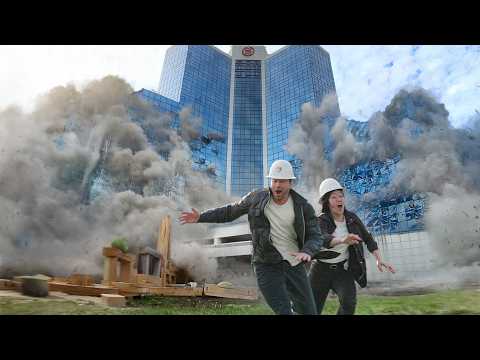
I Blew Up A 24 Story Building
typical in the analyzed sample
Watch this video on YouTube (opens in a new tab)
We do not host or play video. This link leaves our site.
Is this video typical of the channel?
This video looked representative of the rest of the sample — nothing set it apart from its neighbours.
Findings that cite this video
-
Violence
LowFighting, injury, weapons, and threat.
The channel features controlled demolitions and robot battles, but these are presented as engineering experiments rather than aggression.
-
Commercial pressure
ModerateSelling, undisclosed promotion, gambling mechanics, and scams.
Almost every video description contains multiple links to purchase 'CrunchLabs' subscription boxes and mentions of sweepstakes.
-
Educational value
LowWhether the channel teaches something. Descriptive, not a risk — a high level here is positive.
While the channel claims to teach engineering and science, the provided sample consists of metadata and thumbnails which only show the topics being discussed, not the actual teaching process.
-
Consistency
HighHow alike the sampled videos are. Descriptive, not a risk — high means the sample predicts the rest of the channel well.
The channel consistently focuses on science, engineering, and high-effort builds across all sampled videos.
-
Synthetic media
LowHow much of this appears machine-generated rather than filmed or drawn by a person. Not a risk on its own, but AI-generated channels can publish at a volume no one is reviewing.
The creator explicitly states in one description that AI is occasionally used to enhance images and is labeled as such.
Screening note
Controlled demolition for engineering education; no harmful mismatch.
About this evidence
- Screening
- Complete
Title, thumbnail, and publication date come from YouTube. The findings are our conclusions. How we do this.