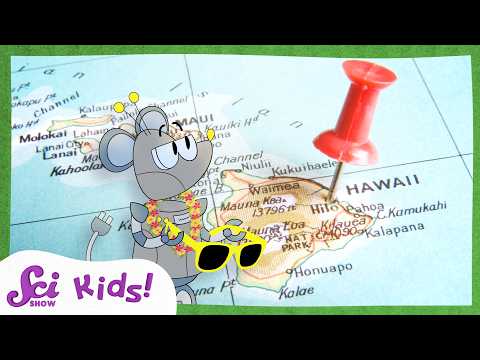
Hawai’i: Land of Volcanoes | SciShow Kids
typical in the analyzed sample
Watch this video on YouTube (opens in a new tab)
We do not host or play video. This link leaves our site.
Is this video typical of the channel?
This video looked representative of the rest of the sample — nothing set it apart from its neighbours.
Findings that cite this video
-
Commercial pressure
LowSelling, undisclosed promotion, gambling mechanics, and scams.
Descriptions contain links to Patreon for support and mentions of streaming on Peacock and Roku, but no aggressive sales tactics.
-
External contact
LowPushes viewers to chat, message, or meet somewhere off-platform.
The channel provides a Google Form for children to send questions to the hosts.
-
Educational value
ModerateWhether the channel teaches something. Descriptive, not a risk — a high level here is positive.
The channel provides detailed NGSS standards, specific learning objectives, and extensive source lists for its scientific claims.
-
Consistency
HighHow alike the sampled videos are. Descriptive, not a risk — high means the sample predicts the rest of the channel well.
The channel maintains a consistent format of hosting by Jessi/Squeaks, educational goals, and detailed metadata across all sampled videos.
-
Synthetic media
LowHow much of this appears machine-generated rather than filmed or drawn by a person. Not a risk on its own, but AI-generated channels can publish at a volume no one is reviewing.
The channel uses 2D animated characters (Squeaks, Sam the Bat) integrated with real footage, but this is intentional production design rather than generative AI.
Screening note
Educational content about geography and volcanoes.
About this evidence
- Screening
- Complete
Title, thumbnail, and publication date come from YouTube. The findings are our conclusions. How we do this.